
Africa's circular economy in action
December 2025 | Insights Report
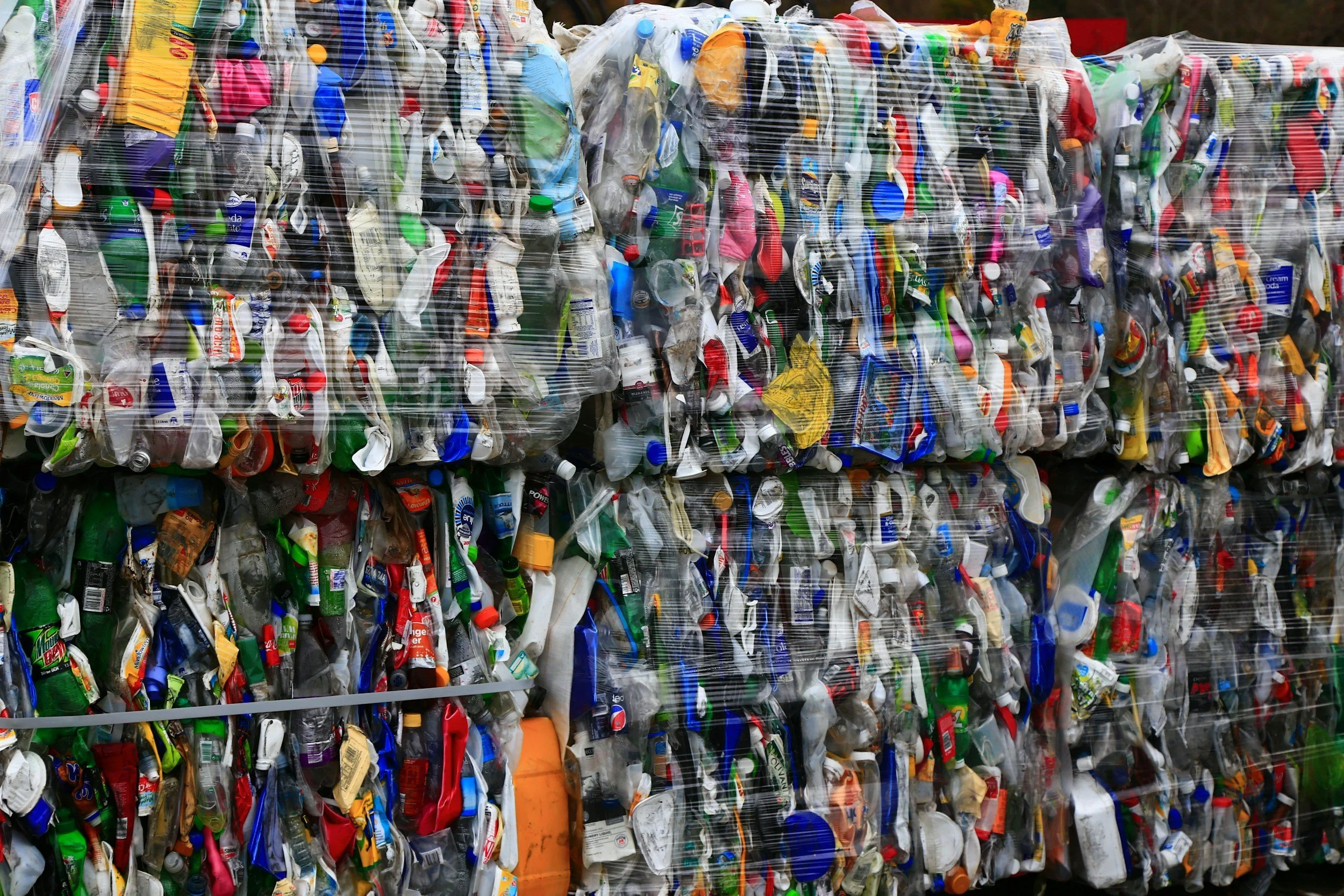
Photo by Nareeta Martin on Unsplash
As COP30 dedicates its first full thematic day to the circular economy, Africa stands at a pivotal moment. Countries such as Ghana, Kenya and Rwanda have established national frameworks, yet a key challenge remains: translating policy ambition into profitable, scalable action. Drawing on insights from financial institutions, manufacturers and sustainability practitioners across the continent, this report highlights structural barriers and outlines practical pathways to a robust circular economy. This report draws on the Bridging Policy and Practice: Africa's Circular Economy in Action webinar hosted by the African Business Trade Association.
Key Findings
Regulatory fragmentation undermines investment viability. Single-use plastic regulations differ between Lagos and neighbouring states within 100 kilometres. Cross-border inconsistencies across Nigeria, Ghana and Kenya create uncertainty that limits the scalability and commercial viability of recycling operations.
Traditional financing models fail to capture African realities. European additionality criteria ruled out projects, leaving the finance facility unable to find eligible recipients. Basic waste collection from public streets is absent in many African contexts, and this alone represents an additionality that conventional frameworks fail to recognise.
Market fragmentation limits commercial scale. Major manufacturers require engagement with hundreds of small waste collectors to meet demand. No single recycler can meet 100% of the requirements for large companies like Coca-Cola or PepsiCo, which limits supply reliability and quality assurance.
Blended finance, combined with technical assistance, drives results. Bank of Africa has supported more than 200 SMEs over 10 years and, through its partnership with the European Bank for Reconstruction and Development (EBRD), has financed energy efficiency projects and secured an additional €70 million for further lending. Success factors include concessional Development Finance Institution (DFI) capital, cashback incentives, free technical audits and banker training programmes.
Manufacturer-recycler partnerships demonstrate scalability. Dow's investment in Kenya's Mr Green Africa targets 90 kilotonnes of plastic recycling annually, creating 200 direct jobs and engaging 5,000 waste collectors. Project Butterfly in South Africa has been successfully replicated in Ethiopia, Nigeria, Algeria and Egypt.
Locally tested solutions inform effective policy. African Circular Business Alliance develops minimum viable products, including biodigesters tested in Nigeria, Angola and South Africa. Results demonstrate 85% self-sufficiency in crop nutrients and 90% capture of fugitive methane emissions, providing quantifiable metrics for risk mitigation and policy development.
This report featured expert insight from:

Dr Amal Benaissa
Director of Sustainability Advocacy, Bank of Africa.

Nair de Sousa
Energy Sustainability Director, African Circular Business Alliance.

Adebisi Adeoti
Managing Director for West Africa and Africa's Head of Sustainability and Strategy, Dow

Ondiro Oganga
Journalist and International Correspondent | Panel Moderator

Dr Dayo Abinusawa
Executive Director, African Business Trade Association | Report Editor